
How Baby Boomer Women are Different

The In-Between Generation: How Baby Boomer Women Broke the Mold
Baby Boomer women occupy a fascinating—and often misunderstood—space in history. Born roughly between 1946 and 1964, they stand between two very different generations: the women who came before them, shaped by tradition and limitation, and the women who came after, raised with freedoms Baby Boomers helped make possible.
Boomer women didn’t just live through change. They were the change.


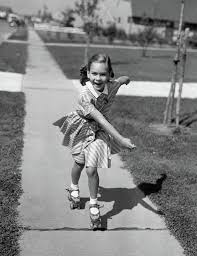
Raised With Rules, But Restless to Break Them
The generation before Baby Boomer women—often called the Greatest Generation or Silent Generation—was largely defined by duty, sacrifice, and clearly drawn gender roles. Many of their lives centered on marriage, motherhood, and supporting their husbands’ careers. Work outside the home, if it happened at all, was often short-lived or considered secondary.
Baby Boomer women were raised with those same expectations—but they questioned them.
They grew up watching their mothers “do it all” without recognition, independence, or financial security. That observation planted a seed. Even if they married young or followed traditional paths at first, many Boomer women carried a quiet determination to want more—more choices, more autonomy, more voice.
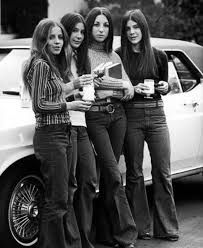
Coming of Age During Cultural Upheaval
Unlike the generation before them, Baby Boomer women came of age during a time of social, political, and cultural revolution. They experienced:
The women’s liberation movement
Expanded access to higher education
Greater entry into the workforce
Shifting norms around marriage, divorce, and motherhood
This generation normalized the idea that women could both nurture and lead, care and create, stay home or work—and sometimes do all of it at once.
Boomer women were often the first in their families to:
Go to college
Delay marriage
Control their finances
Reenter the workforce after raising children
They didn’t have a roadmap. They built one as they went.
The Sandwich Generation Before It Had a Name
Many Baby Boomer women spent midlife balancing aging parents, growing children, careers, and marriages—often with little support or conversation around burnout. Unlike younger generations, they were less likely to talk openly about overwhelm or ask for help. They powered through.
That resilience became a defining trait—but also a quiet burden many are only now unpacking in their 60s and 70s.
How They Differ From the Generation After Them
The generation following Baby Boomers—Gen X and Millennials—benefited from the ground Boomer women broke. Workplace protections, flexible career paths, conversations around mental health, and broader definitions of success didn’t appear overnight.
Boomer women often notice that younger women:
Speak more openly about boundaries and burnout
Expect more balance between work and personal life
Feel less tied to traditional milestones
Redefine success on their own terms
Where Baby Boomer women often felt they had to prove themselves, younger generations tend to feel entitled to choice—and rightly so.
That difference can sometimes feel like a disconnect, but it’s actually a legacy.
Aging Differently, Too
Perhaps the most striking difference is how Baby Boomer women are aging.
They are not quietly stepping aside.
They are:
Starting businesses and passion projects
Traveling solo or with friends
Redefining retirement
Prioritizing health, joy, and self-expression
Saying “no” without guilt
They reject the idea that life shrinks after a certain age. Instead, many see these years as the first time life is truly their own.
The Bridge Generation
Baby Boomer women are the bridge between “this is how it’s always been” and “it doesn’t have to be that way.”
They challenged norms without social media. They balanced ambition with responsibility. They carried families, careers, and cultural change—often simultaneously.
And now, in this unscripted chapter of life, they’re finally asking a powerful question:
What do I want now?
That question—and the courage to answer it—may be their greatest legacy of all.


Comments